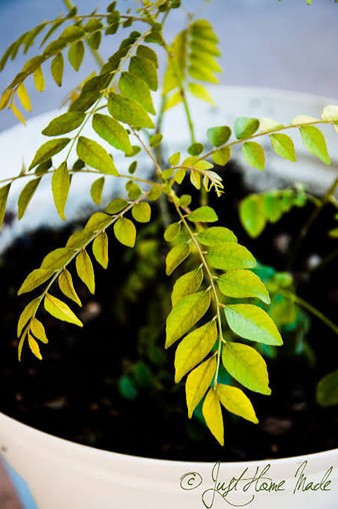

Curry leaves—known as kadi patta in Indian households—are more than just a fragrant herb. They are rich in vitamin A, B, C, and E, contain powerful antioxidants, support digestion, improve skin health, and help regulate blood sugar. No wonder so many people love growing this mini superfood right at home!
But winter can be harsh on the delicate curry leaf plant. As temperatures drop, leaves start yellowing, growth slows down, and in severe cold, the plant may even begin to shed leaves or die back. The good news? With a few smart care strategies, your curry leaf plant can stay lush, green, and nutrient-rich even in the chilliest months.

1. Move the Plant to a Warmer Spot
Curry leaf plants are native to warm tropical climates. They thrive in temperatures between 20–30°C. During winter, especially in North India, night temperatures can fall drastically.
What to do:
- Shift the plant indoors or onto a balcony that receives maximum sunlight.
- Avoid leaving it in the open where cool wind hits directly.
- South-facing windows are ideal since they get the most warmth.
Why it helps:
Warmth prevents shock, frost damage, and leaf drop—keeping the plant active instead of going dormant.
2. Reduce Watering (Very Important!)
Most curry leaf plants die in winter not from cold… but from overwatering. When temperatures drop, soil takes longer to dry, and roots stay wet for too long, leading to fungal rot.
Watering rule for winters:
- Water once in 10–15 days.
- Always check the top 2–3 inches of soil—only water when completely dry.
- Avoid watering in the evenings. Morning watering is safer.
Why it helps:
The plant’s metabolism slows down in winter, so it needs less water. Less watering protects roots from fungal infections and keeps the soil aerated.
3. Give It Tender Sunlight, Not Harsh Cold Wind
Winter sunlight is gentle and extremely beneficial for curry leaf plants. But cold winds? Definitely not.
How to manage light :
- Give at least 4–6 hours of winter sunlight daily.
- Keep the plant behind a glass window or balcony grill—sunlight enters but wind doesn’t.
- Outdoor plants should be protected using shade nets or transparent plastic sheets.
Why it helps:
Good sunlight boosts chlorophyll production, prevents yellow leaves, and helps the plant retain its antioxidant-rich nutrients.
4. Don’t Fertilize Too Much
Many people over-fertilize in winter, thinking it will boost growth. But winter is not a growth season for curry leaves.
Fertilizer rules for winter :
- Avoid strong fertilizers like NPK or compost teas.
- Do NOT add cow dung, vermicompost, or kitchen waste during peak cold.
- Instead, use a very light dose of homemade buttermilk fertilizer (once a month).
Why it helps:
Strong fertilizers can burn roots during low temperatures. Light feeding keeps the plant nourished without stressing it.
5. Use Well-Drained Soil to Prevent Root Rot
Winter + moisture = fungal heaven. If your soil stays wet for too long, the plant can suffer serious damage.
Ideal soil mix :
Use a loose, breathable potting mix like:
- 40% garden soil
- 30% cocopeat
- 20% compost
- 10% sand/perlite
Why it helps:
Good drainage ensures the roots stay oxygenated, preventing rot and promoting healthy nutrient absorption.
6. Prune Gently to Maintain Shape and Health
Pruning encourages bushier, healthier growth, but winter calls for gentle care.
How to prune in winter :
- Only remove dry, yellow, or diseased leaves.
- Avoid heavy pruning until early spring.
- Keep the stem structure stable so it can handle colder nights.
Why it helps:
Minimal pruning prevents stress while ensuring the plant stays tidy and disease-free.
7. Protect the Plant During Extreme Cold
In regions where temperatures drop below 10°C, extra protection becomes essential.
Protection methods:
- Wrap the pot with a thick cloth or jute sack to protect roots.
- Cover the plant with a breathable cloth or frost cloth.
- If there’s a cold wave, bring the plant completely indoors.
Why it helps:
Extra insulation helps the plant maintain its internal temperature and prevents frost damage.
Bonus Tip: Avoid Transplanting in Winter
Transplanting shocks the curry leaf plant even in ideal weather—winter stress makes it worse. Always wait until February–March for repotting or shifting to a bigger pot.
Final Thoughts: Your Winter-Smart Curry Leaf Plant
With the right winter care, your curry leaf plant can stay green, healthy, and nutrient-rich all season long. These simple steps ensure your plant continues to supply flavour, aroma, and powerful nutrition even when the weather isn’t friendly.
A little attention today = a lush curry leaf plant tomorrow.

Hi, I’m Dietitian Dipanwita Saha, A Clinical Dietitian & Nutripreneur and The Founder & Director of Nutri World. I believe healthy eating should be enjoyable, balanced, and free from guilt—not about strict rules or cutting out your favorite foods. My passion lies in helping people heal their relationship with food, especially those dealing with disordered eating. If you’re looking for a supportive, judgment-free space to nourish your body and mind, I’m here to help—let’s make food feel good again.