 Although menopause is frequently defined as a natural turning point that signifies the end of reproductive activity, its wider effects on women’s health are still not well understood.
Menopause is accompanied by significant hormonal and metabolic changes that can affect bone health, cardiovascular function, body composition, muscle mass, and general quality of life in addition to symptoms of hot flashes and night sweats. Recent evidence increasingly highlights nutrition as a modifiable factor capable of supporting women through this transition.
What Is Menopause?
Menopause is a physiological transition characterized by the permanent cutoff of menstruation following the decline of ovarian function and estrogen production. It typically occurs between 45 and 55 years of age, but timing varies by individual. The decline in estrogen affects multiple physiological systems, making menopause considerably more complex than the cessation of menstruation alone.
Estrogen plays important roles in bone remodeling, lipid metabolism, vascular function, and energy regulation. Consequently, its decline can trigger a range of changes, including alterations in body-fat distribution, reduced bone mineral density, unfavorable lipid changes, and increased metabolic risk.
Recognizing menopause as a component of healthy aging is particularly important because its consequences can extend well beyond the reproductive years.
Signs and Symptoms
1.Night sweats and hot flashes: Excessive perspiration and sudden sensations of heat.
2.Menstrual changes: irregular intervals before to a total cessation of menstruation.
3.Sleep disturbances : include trouble falling or staying asleep.
4.Mood swings : include irritability, anxiety, and depression.
5.Vaginal dryness: Less lubrication and discomfort when having sex.
6.Body composition : changes include a gradual decrease of muscular mass and an increase in belly fat.
7.Increased risk of osteoporosis : due to decreased bone density.
8.Cognitive changes : include occasional memory loss or trouble focusing.
Challenges in Menopausal Women
One of the major challenges associated with menopause is the simultaneous occurrence of increasing fat and declining lean mass. Reduced estrogen levels, changes in resting energy expenditure, altered fat distribution, and age-related muscle loss can contribute to increased
Crucially, losing weight should not be the exclusive objective of dietary management. Excessive energy restriction might cause lean tissue to be compromised when body weight is decreased. Maintaining muscle is crucial for independence, strength, mobility, and glucose control.
Key Nutrients and Supplementation Strategies
Maintaining bone, muscular, and metabolic health throughout menopause requires a sufficient intake of nutrients. Generally speaking, a food-first strategy should serve as the cornerstone, with supplementation taken into consideration when dietary intake is insufficient or a shortfall is discovered.
For the health of the skeleton, calcium and vitamin D are crucial. While vitamin D aids in calcium absorption and supports healthy bone metabolism, enough calcium promotes bone mineralisation. In order to prevent bone loss and maintain bone mineral density, the 2025 review emphasises calcium and vitamin D as essential nutritional interventions.
Because sustaining muscle gets more difficult as one ages, protein is equally crucial. Resistance training with a sufficient amount of high-quality protein can help maintain physical function and lean muscle. Depending on dietary preferences, protein can be found in dairy products, beans, eggs, fish, lean meats, nuts, and seeds.
Magnesium is present in foods including nuts, seeds, whole grains, and legumes and helps maintain healthy muscle and neurone function. Favourable triglyceride profiles and cardiovascular health may be supported by omega-3 fatty acids, especially those derived from fatty fish. Instead of being regularly supplemented, other micronutrients, such as iron, should be evaluated based on personal needs.
Because menstrual blood loss stops during menopause, iron requirements often decrease; consequently, needless supplementation may be unwise. Whenever possible, the main source should continue to be nutrient-dense foods.
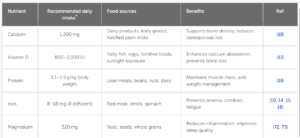
Source : https://www.frontiersin.org/journals/nutrition/articles/10.3389/fnut.2025.1702105/full?utm_
The Mediterranean Diet and Menopausal Health
Greater adherence to the Mediterranean dietary pattern is associated with improvements in several cardiometabolic outcomes, including blood pressure and triglyceride concentrations.
It limits highly processed foods and excessive saturated fat while emphasising fruits, vegetables, whole grains, legumes, nuts, olive oil, fish, and other minimally processed foods.
Studies have also reported potential reductions in overall menopausal symptom severity and favorable effects on skeletal health.
These effects could be explained by a number of features of the Mediterranean diet. Its abundance of dietary fibre, polyphenols, unsaturated fatty acids, vitamins, minerals, and other bioactive substances may help to improve metabolic control and lower oxidative stress and inflammatory pathways. Omega-3 fatty acids are provided by fish, and a variety of minerals and phytochemicals are provided by fruits, vegetables, legumes, and whole grains.
The Mediterranean diet should not be viewed as a strict eating regimen, though. Its tenets can be modified to accommodate regional culinary customs and cultural preferences. This is especially crucial because women from non-Western and economically disadvantaged populations are still underrepresented in research, and a large portion of the evidence now available comes from Western populations.
Conclusion: From Symptom Management to Healthy Aging
Menopause is a complicated physiological shift that affects skeletal, metabolic, cardiovascular, muscular, and psychological health in addition to being the end of menstruation. However, rather than being aggressively addressed, menopausal women’s difficulties are often normalised.
A nutrient-dense diet, especially one that emphasises whole foods and Mediterranean-style principles, may help address some of the health issues linked to menopause, according to current research. While supplementation should be tailored based on food consumption and nutritional status, adequate protein, calcium, vitamin D, magnesium, and omega-3 fatty acids can further assist the maintenance of bone, muscle, and metabolic health.
(FAQs)
- What is menopause?
Menopause is the permanent cessation of menstruation due to declining ovarian function, usually occurring between 45 and 55 years of age.
- What are the common symptoms of menopause?
Common symptoms include hot flashes, night sweats, sleep disturbances, mood changes, and vaginal dryness.
- Why is menopausal health important?
Menopause can affect bone density, cardiovascular health, muscle mass, metabolism, and overall quality of life.
- How does menopause affect bone health?
Declining estrogen levels accelerate bone loss, increasing the risk of osteoporosis and fractures.
- Can menopause cause weight gain?
Hormonal changes and aging can contribute to increased abdominal fat and changes in body composition.
- How does the Mediterranean diet benefit menopausal women?
It may support cardiovascular and metabolic health through nutrient-rich foods, healthy fats, fiber, and antioxidants.
- Which nutrients are important during menopause?
Calcium, vitamin D, protein, magnesium, and omega-3 fatty acids support various aspects of health.
- Do all menopausal women need supplements?
No. Supplements should be based on individual nutritional needs, deficiencies, and medical advice.
- How can women maintain muscle mass during menopause?
Regular resistance exercise, adequate protein intake, and sufficient energy intake help preserve muscle and strength.
- How can women promote healthy aging after menopause?
A balanced diet, regular exercise, adequate sleep, and routine health assessments can support long-term health.
👩🏻⚕️ Rida Fatima
Pursuing Masters in Nutrition & Dietetics 1st Year