
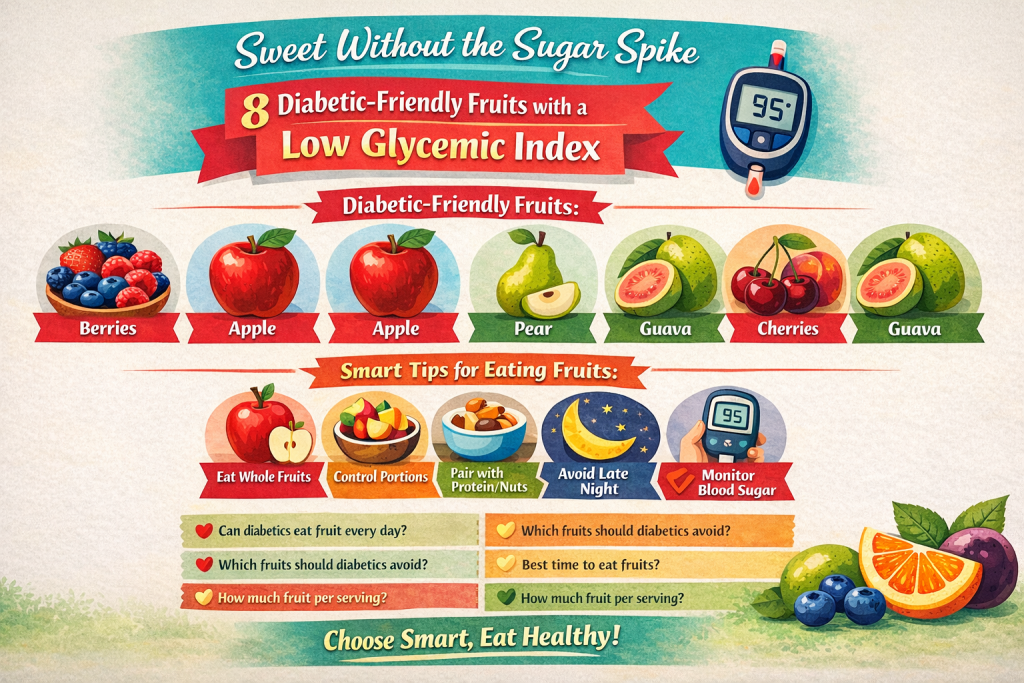


Living with diabetes doesn’t mean giving up fruits altogether. In fact, the right fruits—when chosen wisely and eaten in proper portions—can be a delicious and nutritious part of a diabetes-friendly diet. The key lies in understanding the glycemic index (GI), a measure of how quickly a food raises blood sugar levels. Fruits with a low GI are digested slowly, leading to a gradual rise in blood glucose rather than sudden spikes.
Let’s explore 8 naturally sweet, diabetic-friendly fruits that have a low glycemic index and can be enjoyed safely by people with diabetes.

1. Berries (Strawberries, Blueberries, Raspberries)
Berries top the list of diabetic-friendly fruits—and for good reason. Despite their sweet taste, berries have a low GI and are rich in fiber, antioxidants, and polyphenols, which help improve insulin sensitivity.
Why they’re good for diabetes:
- Low sugar content compared to other fruits
- High fiber slows glucose absorption
- Antioxidants help reduce inflammation
How to eat:
Add a handful to curd, oatmeal, or enjoy as a mid-meal snack.

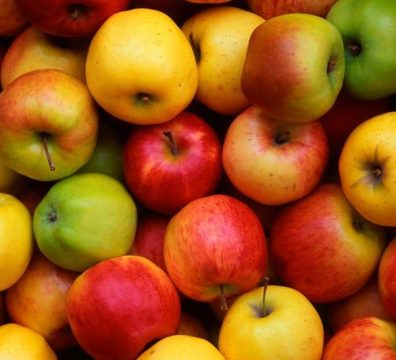
2. Apple
The saying “an apple a day” holds true even for people with diabetes. Apples have a low to moderate GI, especially when eaten whole with the peel.
Why they’re good for diabetes:
- Rich in soluble fiber (pectin)
- Helps regulate blood sugar and cholesterol
- Keeps you full for longer
Tip:
Avoid apple juice. Always choose whole apples and eat them with the skin.

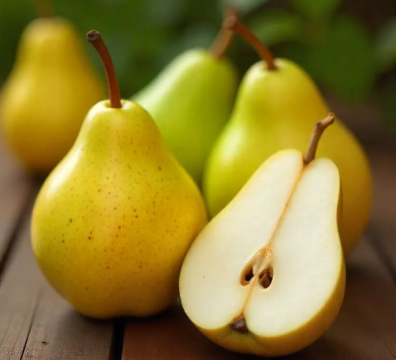
3. Pear
Pears are naturally sweet, juicy, and surprisingly blood sugar-friendly. Their high fiber content makes them a great fruit choice for diabetics.
Why they’re good for diabetes:
- Low GI due to high fiber
- Improves digestion and gut health
- Helps control hunger and cravings
Best way to consume:
Eat as a whole fruit or slice into salads.

4. Guava
Guava is one of the most underrated diabetic-friendly fruits, especially in India. It has a low glycemic index and is loaded with vitamin C and dietary fiber.
Why they’re good for diabetes:
- Slows sugar absorption
- Supports immunity
- Improves digestion and satiety
Nutrition tip:
Eat guava without sprinkling salt or sugar. Avoid guava juice.

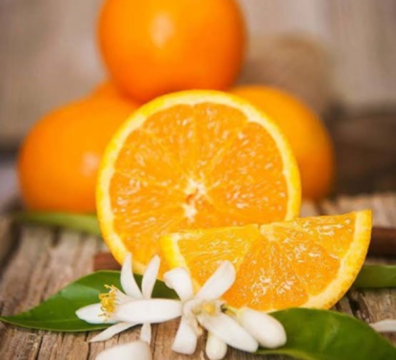
5. Citrus Fruits (Orange & Sweet Lime / Mosambi)
Citrus fruits like oranges and mosambi are sweet yet safe when eaten in moderation. Their low GI and high fiber content make them suitable for diabetics.
Why they’re good for diabetes:
- Rich in vitamin C and flavonoids
- Fiber helps control blood glucose
- Refreshing and hydrating
Portion control matters:
One medium orange or mosambi at a time is ideal.

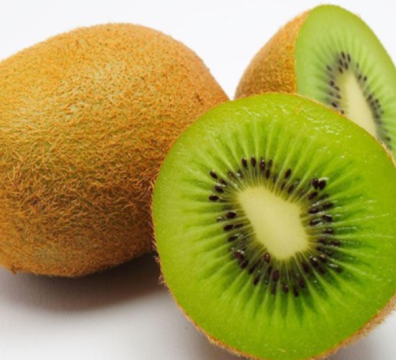
6. Kiwi
Kiwi is a nutrient-dense fruit with a low glycemic index and a pleasant natural sweetness. It’s also rich in vitamin C, potassium, and fiber.
Why they’re good for diabetes:
How to include:
Add chopped kiwi to a fruit bowl or eat it as an evening snack.

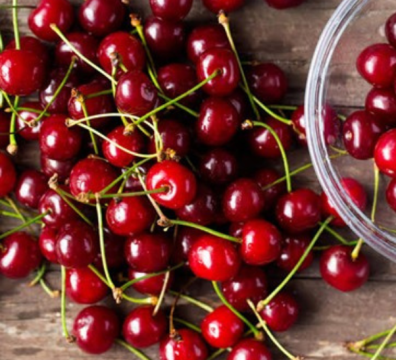
7. Cherries
Cherries may taste indulgently sweet, but they have a low GI and contain compounds that may help reduce inflammation and improve insulin sensitivity.
Why they’re good for diabetes:
- Rich in anthocyanins
- May help reduce insulin resistance
- Low impact on blood sugar
Serving suggestion:
Enjoy a small bowl of fresh cherries, not canned or sweetened ones.

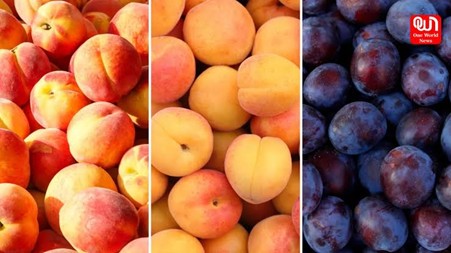
8. Peach / Plum
Stone fruits like peaches and plums are naturally sweet yet gentle on blood sugar when eaten in controlled portions.
Why they’re good for diabetes:
- Low GI
- High water and fiber content
- Helps satisfy sweet cravings naturally
Best practice:
Eat fresh, whole fruit rather than dried versions.

Smart Tips for Eating Fruits with Diabetes
Even low-GI fruits should be eaten mindfully. Here are some simple guidelines:
- Stick to whole fruits, not juices or smoothies
- Control portion size (1 serving at a time)
- Pair fruit with protein or healthy fats (nuts, curd)
- Avoid fruits late at night
Monitor your blood sugar response
Final Thoughts
Fruits don’t have to be the enemy when you have diabetes. By choosing low glycemic index fruits, you can enjoy natural sweetness without compromising blood sugar control. These 8 diabetic-friendly fruits offer the perfect balance of taste, nutrition, and safety.
Remember, diabetes management is not about restriction—it’s about smart choices and mindful eating. With the right fruits on your plate, sweetness can still be part of a healthy life.
Always consult a dietitian or healthcare professional to personalize fruit portions according to your blood sugar levels and overall diet plan.
Frequently Asked Questions (FAQs)
1. Can people with diabetes eat fruits every day?
Yes, people with diabetes can eat fruits daily, provided they choose low glycemic index fruits and stick to controlled portions. Whole fruits are always better than juices or smoothies.
2. Which fruits should diabetics completely avoid?
Fruits with a high glycemic index or those consumed in processed forms should be limited or avoided, such as:
- Fruit juices
- Canned fruits in syrup
- Dried fruits like dates, raisins, and figs (in excess)
3. What is the best time to eat fruits for diabetes?
The best time is mid-morning or as an evening snack, preferably paired with a protein or healthy fat. Avoid eating fruits late at night or on an empty stomach if it causes sugar spikes.
4. Are sweet-tasting fruits safe for diabetics?
Yes. Sweet taste does not always mean high sugar impact. Many sweet fruits like berries, guava, and kiwi have a low GI and are safe when eaten in moderation.
5. How much fruit can a diabetic eat in one serving?
One serving typically equals:
- 1 medium fruit (apple, pear, orange)
- ½ cup chopped fruit
- 1 small bowl of berries
Portion control is key to blood sugar management.
6. Is fruit juice a good alternative to whole fruits for diabetics?
No. Fruit juice lacks fiber and causes rapid blood sugar spikes. Whole fruits are always a healthier choice for diabetes management.

Hi, I’m Dietitian Dipanwita Saha, A Clinical Dietitian & Nutripreneur and The Founder & Director of Nutri World. I believe healthy eating should be enjoyable, balanced, and free from guilt—not about strict rules or cutting out your favorite foods. My passion lies in helping people heal their relationship with food, especially those dealing with disordered eating. If you’re looking for a supportive, judgment-free space to nourish your body and mind, I’m here to help—let’s make food feel good again.